Non-Restraining Injury Prevention Wheelchair Attachment for patients with Alzheimer's
Mechanical Design & Testing
Overview
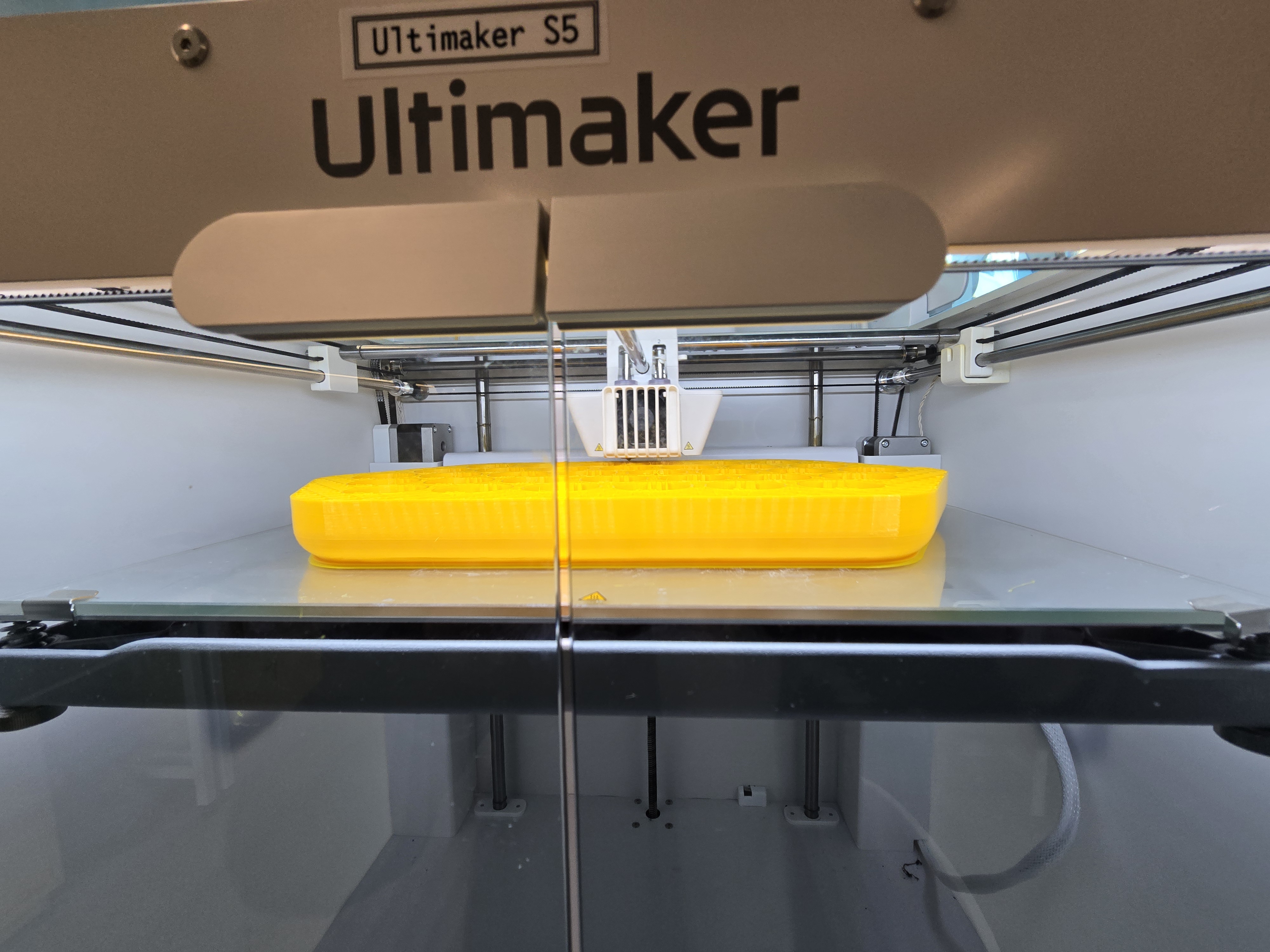
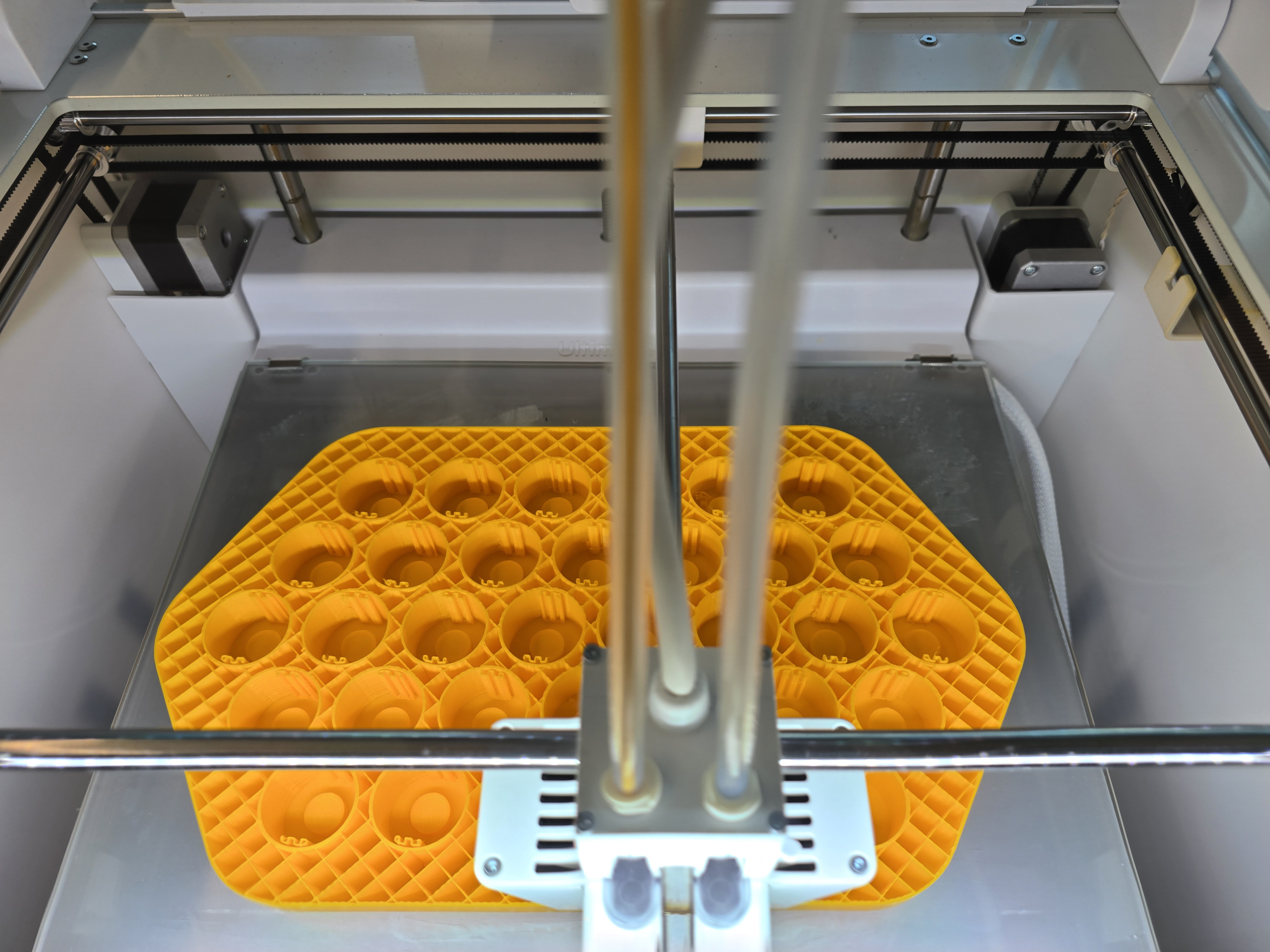
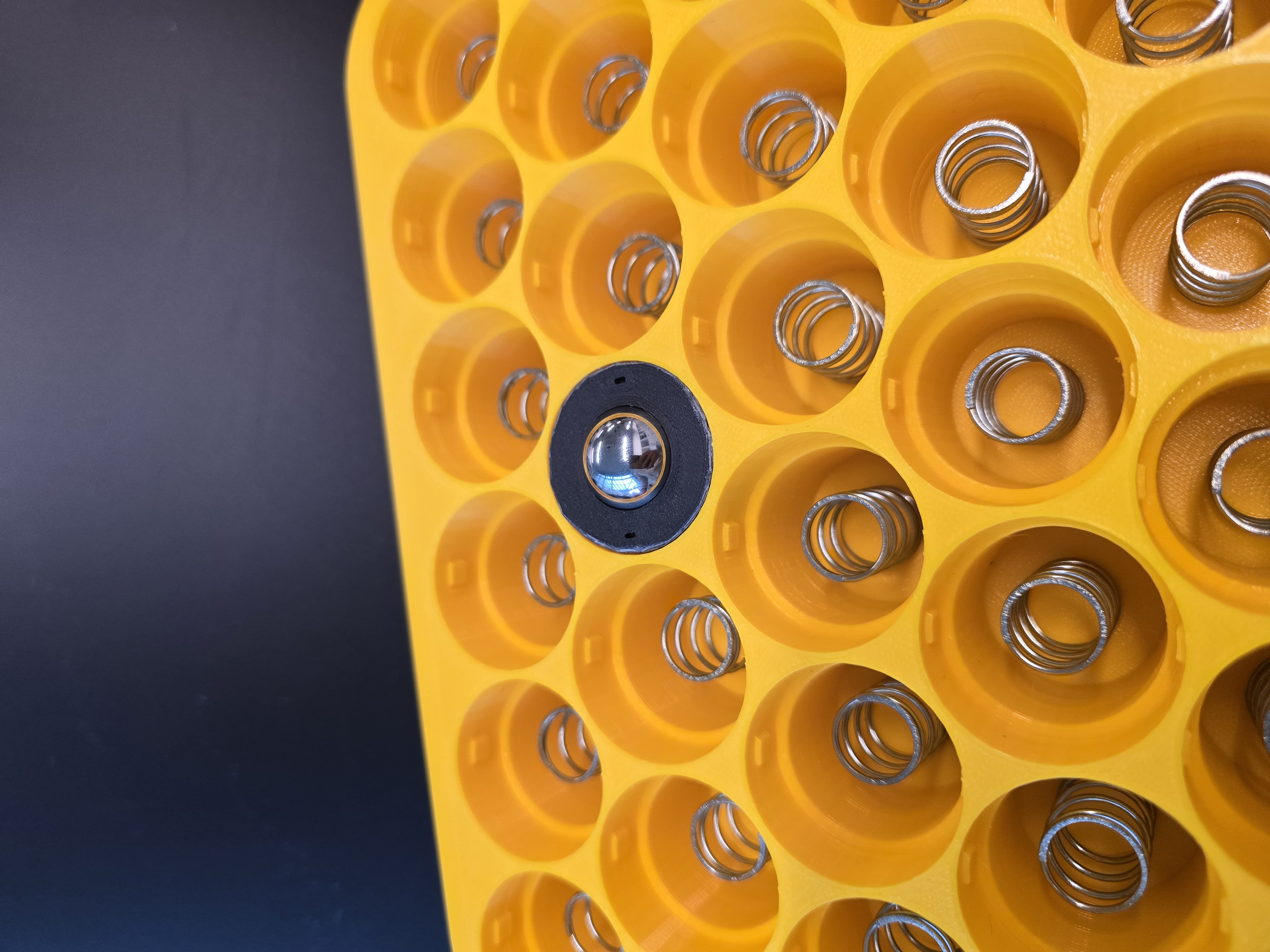
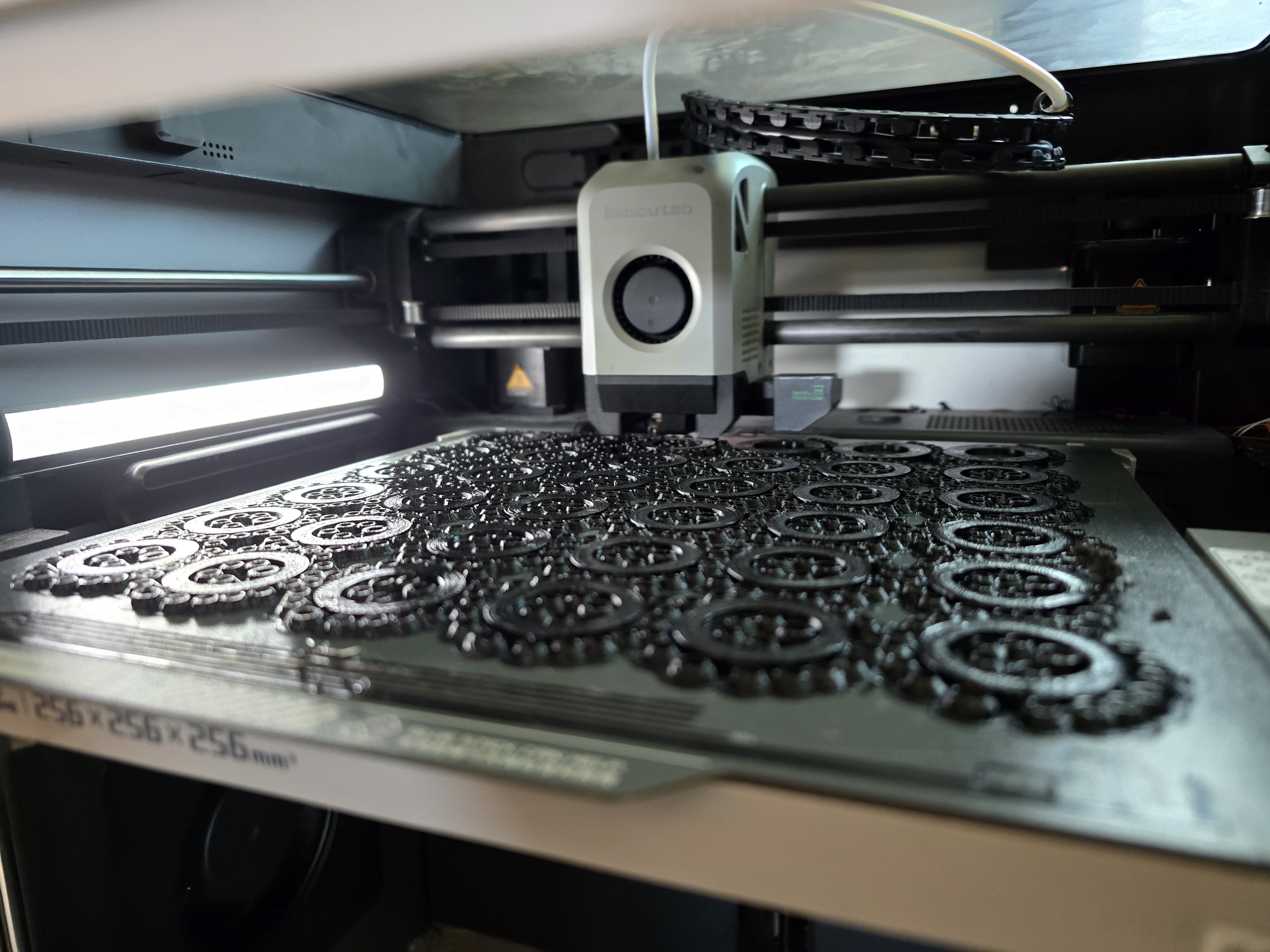
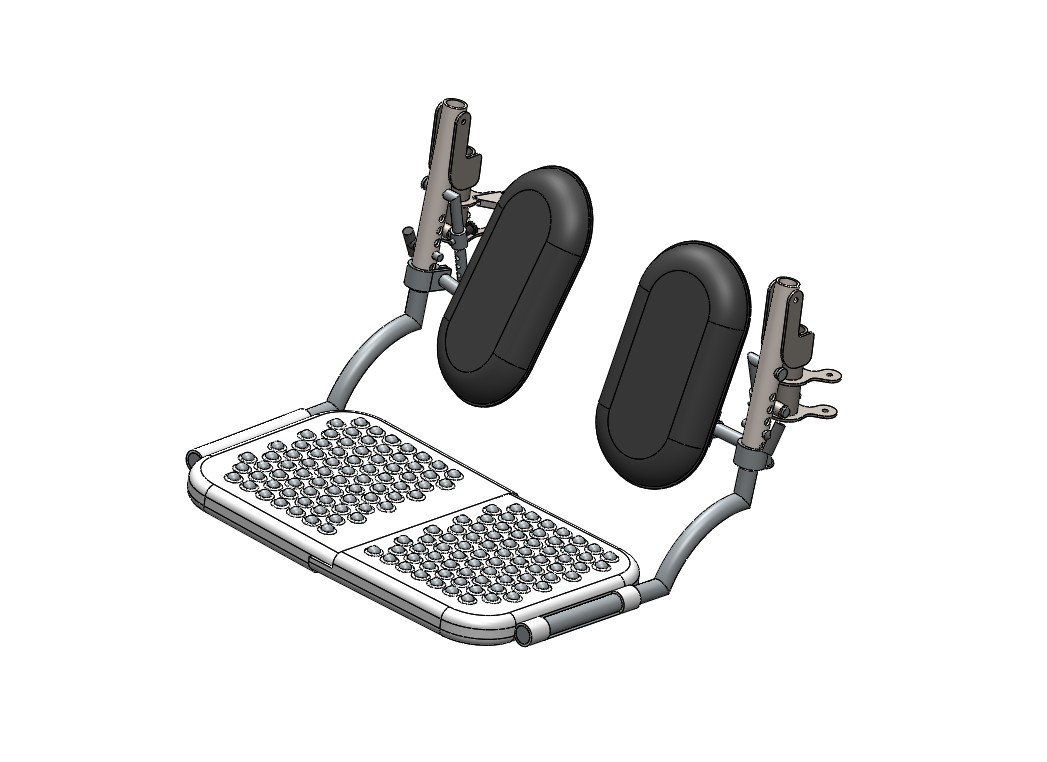
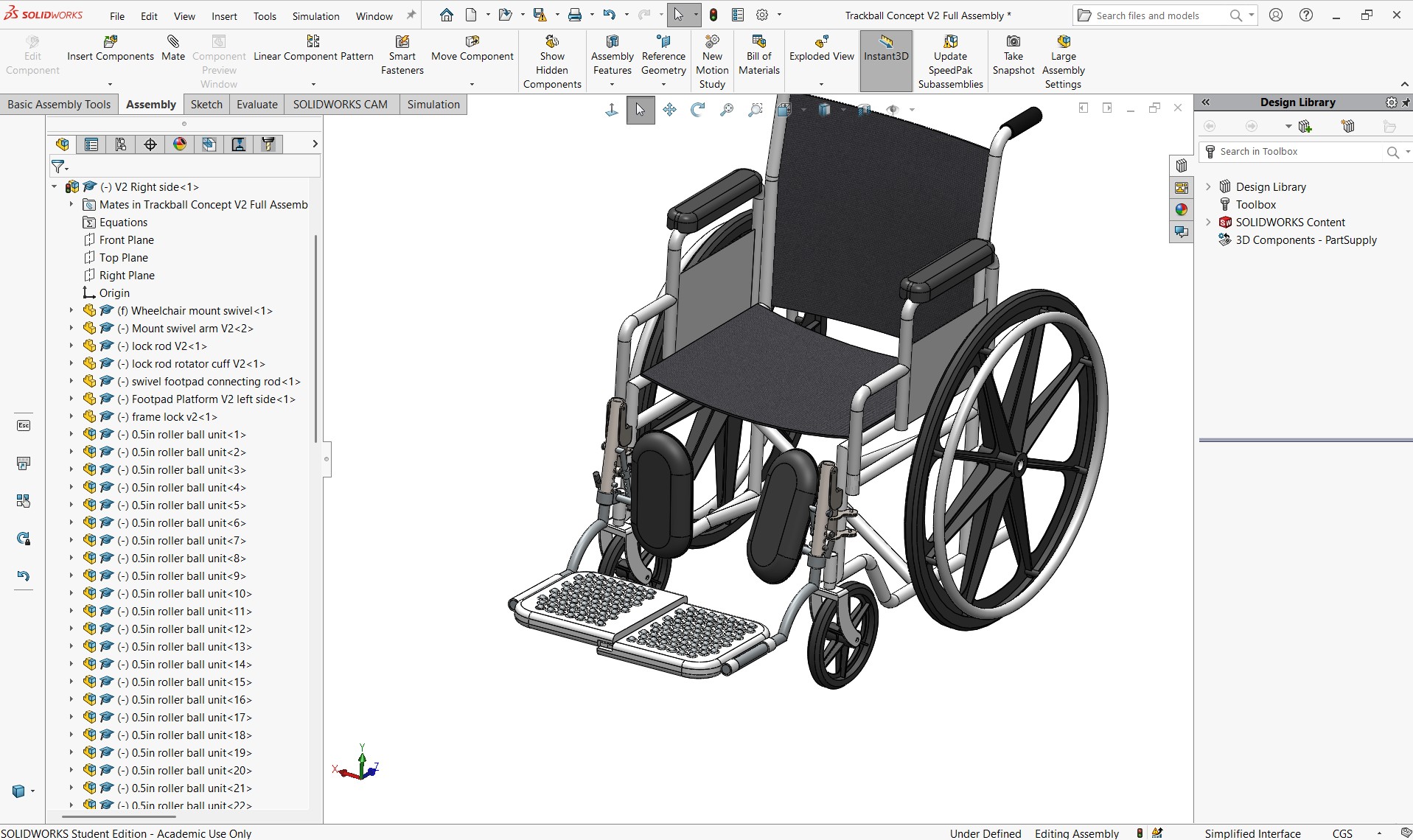
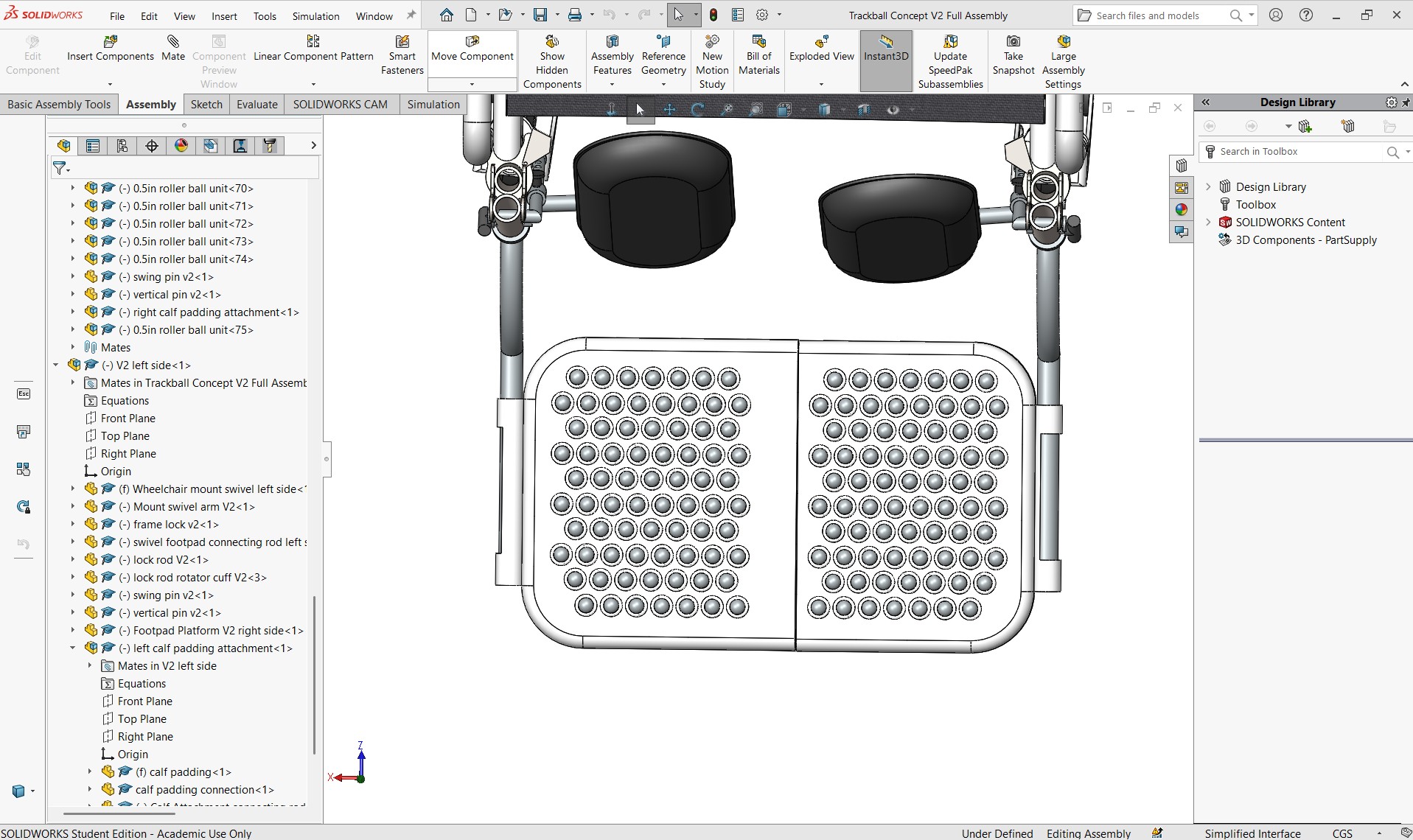
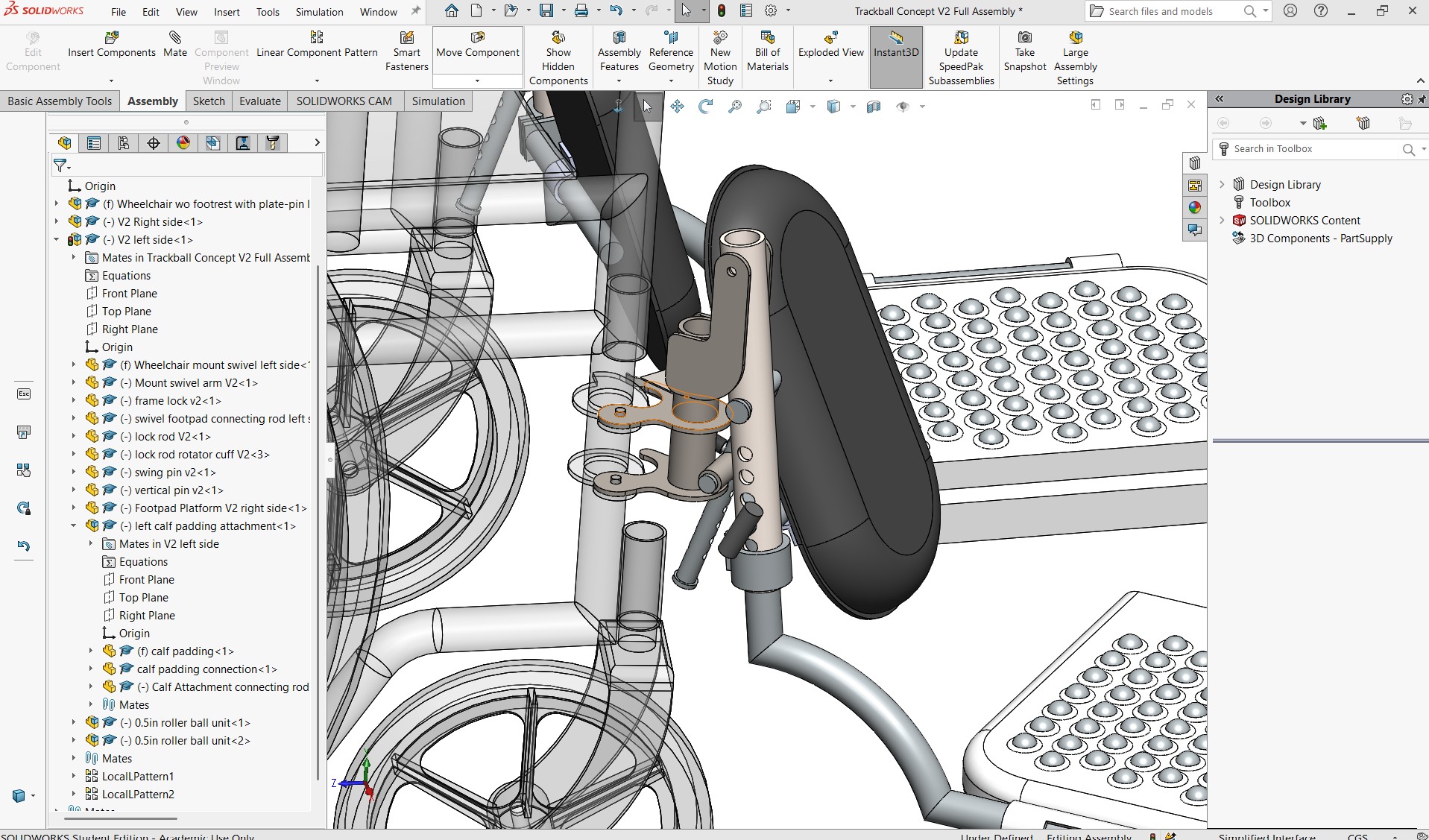
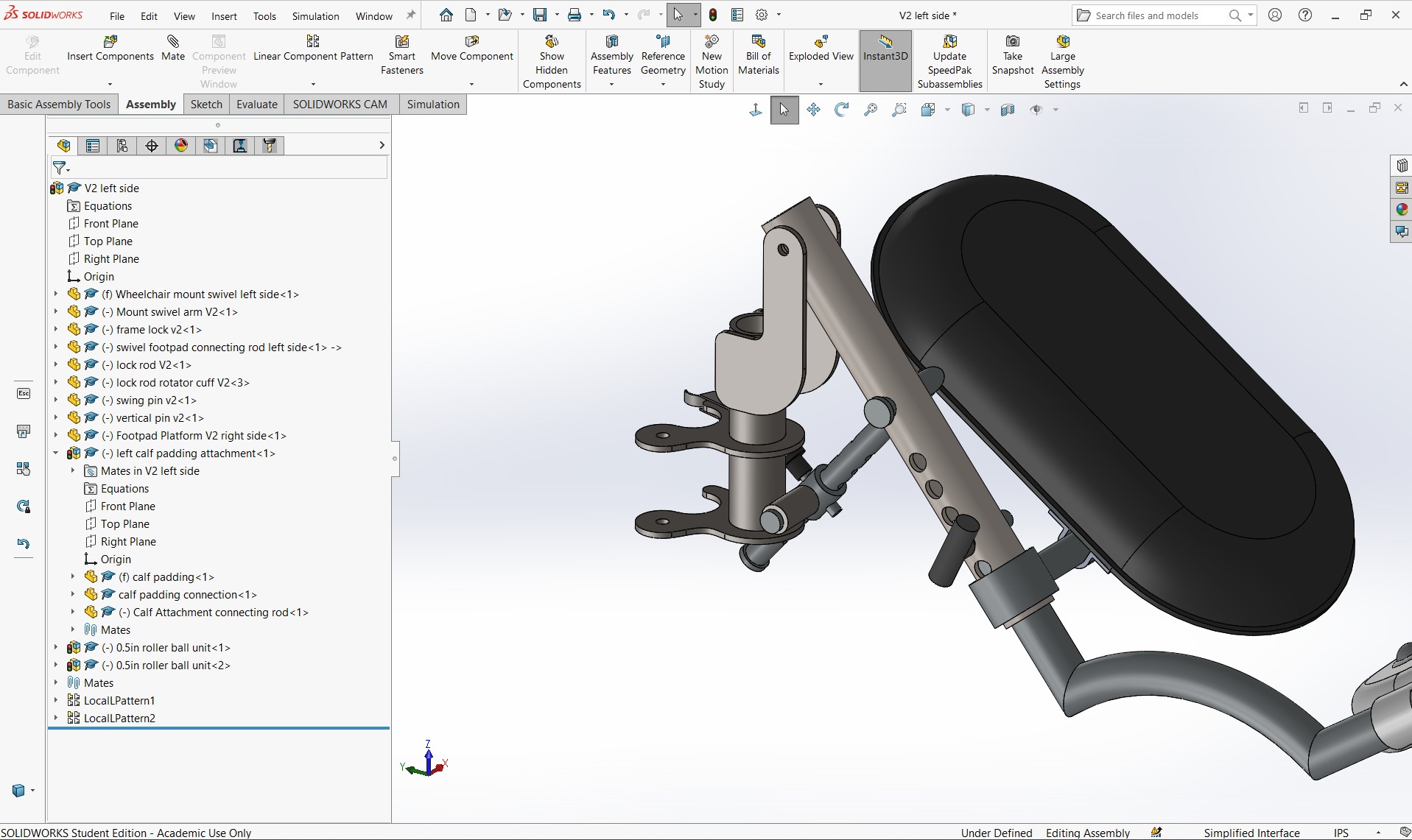
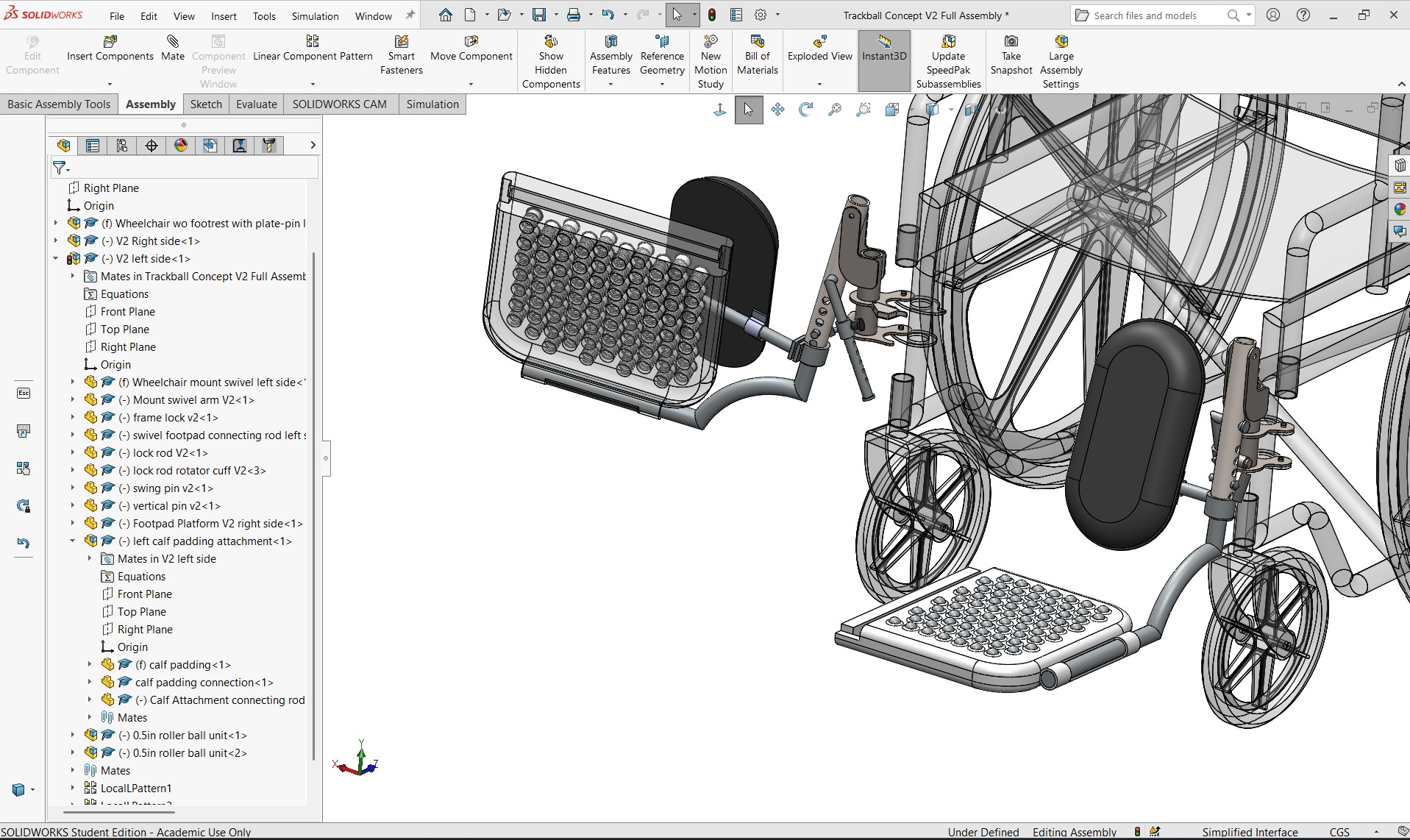
The Adaptive Footpad Injury Prevention Wheelchair Attachment was developed to reduce lower-limb injuries in elderly individuals living with Alzheimer's disease by providing a safe, non-restraining alternative to traditional wheelchair footrests. This client-centered project was completed in collaboration with the Hilltop House Care Team in Squamish, where regular stakeholder feedback guided the design process and ensured the solution addressed real clinical needs. The attachment was designed in SolidWorks, with detailed CAD models, technical drawings, and multiple functional prototypes developed throughout the project. Iterative prototyping and simulated-use testing were used to refine the device's geometry, durability, and ease of use while ensuring compatibility with hospital-grade cleaning and safety standards. The final design balanced patient safety, caregiver usability, and manufacturability, demonstrating a human-centered engineering approach to assistive medical device design.
Key Deliverables
- Gathered stakeholder needs through client meetings with the Hilltop House Care Team and translated them into engineering design requirements.
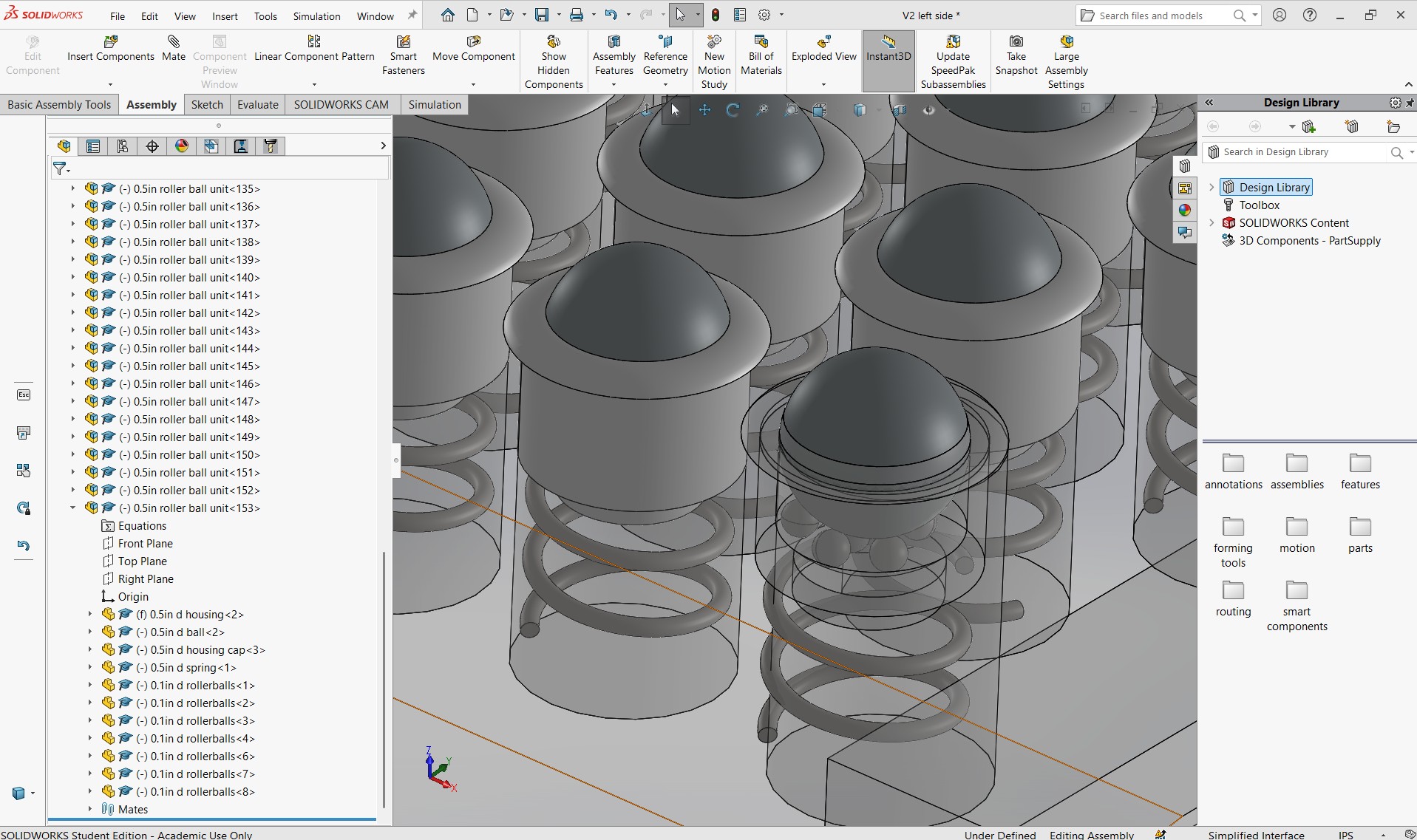
- Created detailed SolidWorks models, assemblies, and technical drawings for manufacturing.
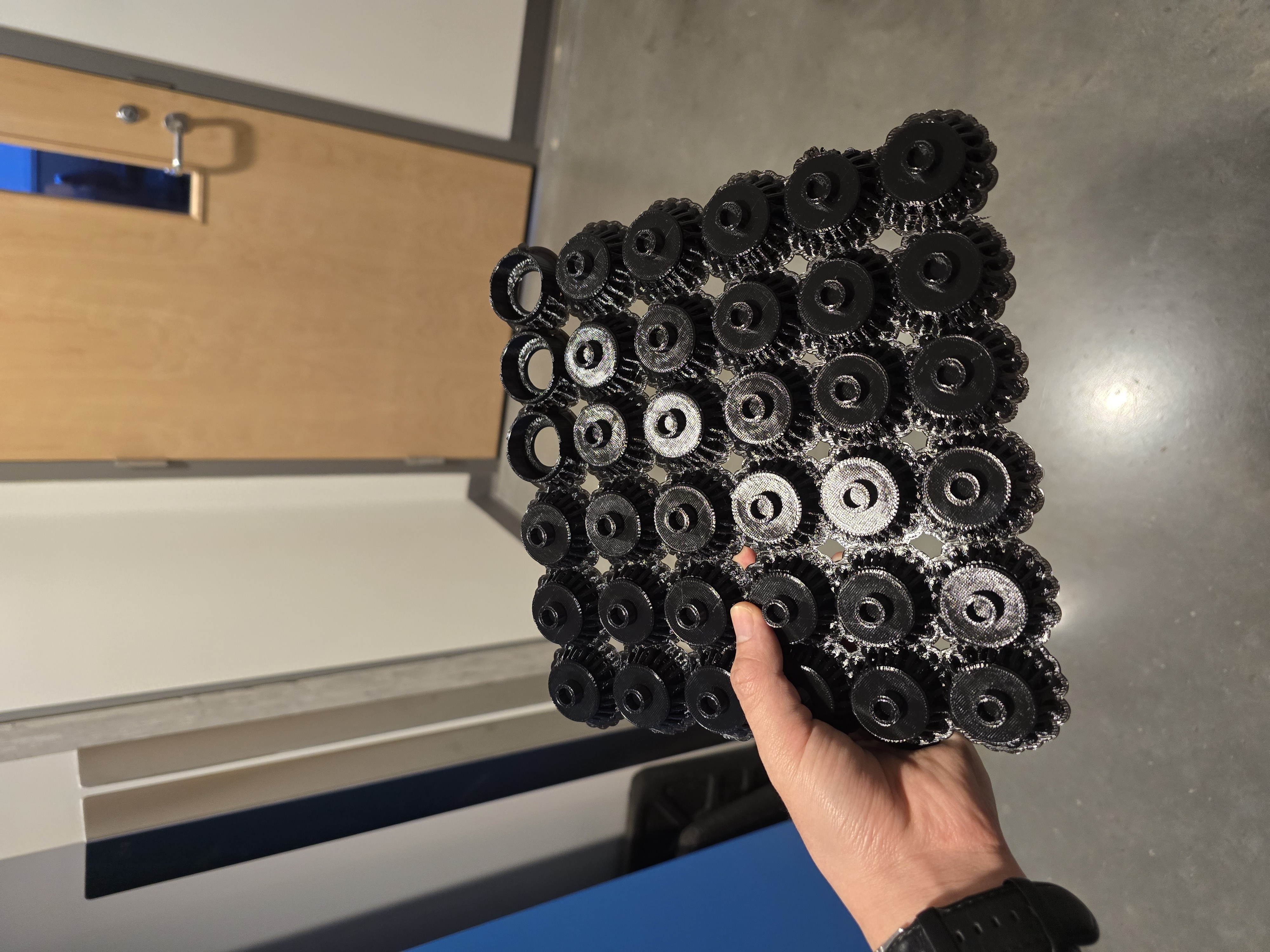
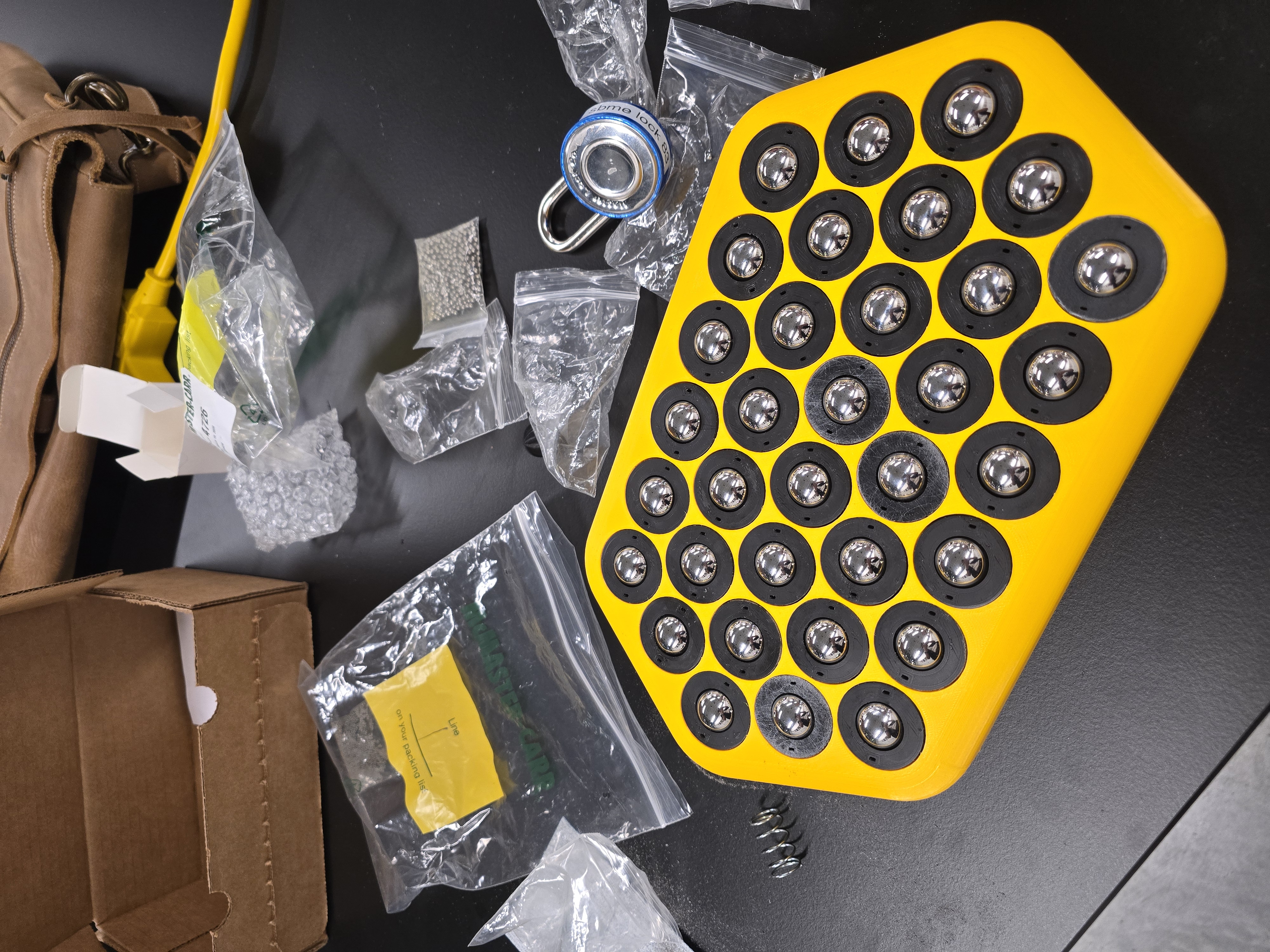
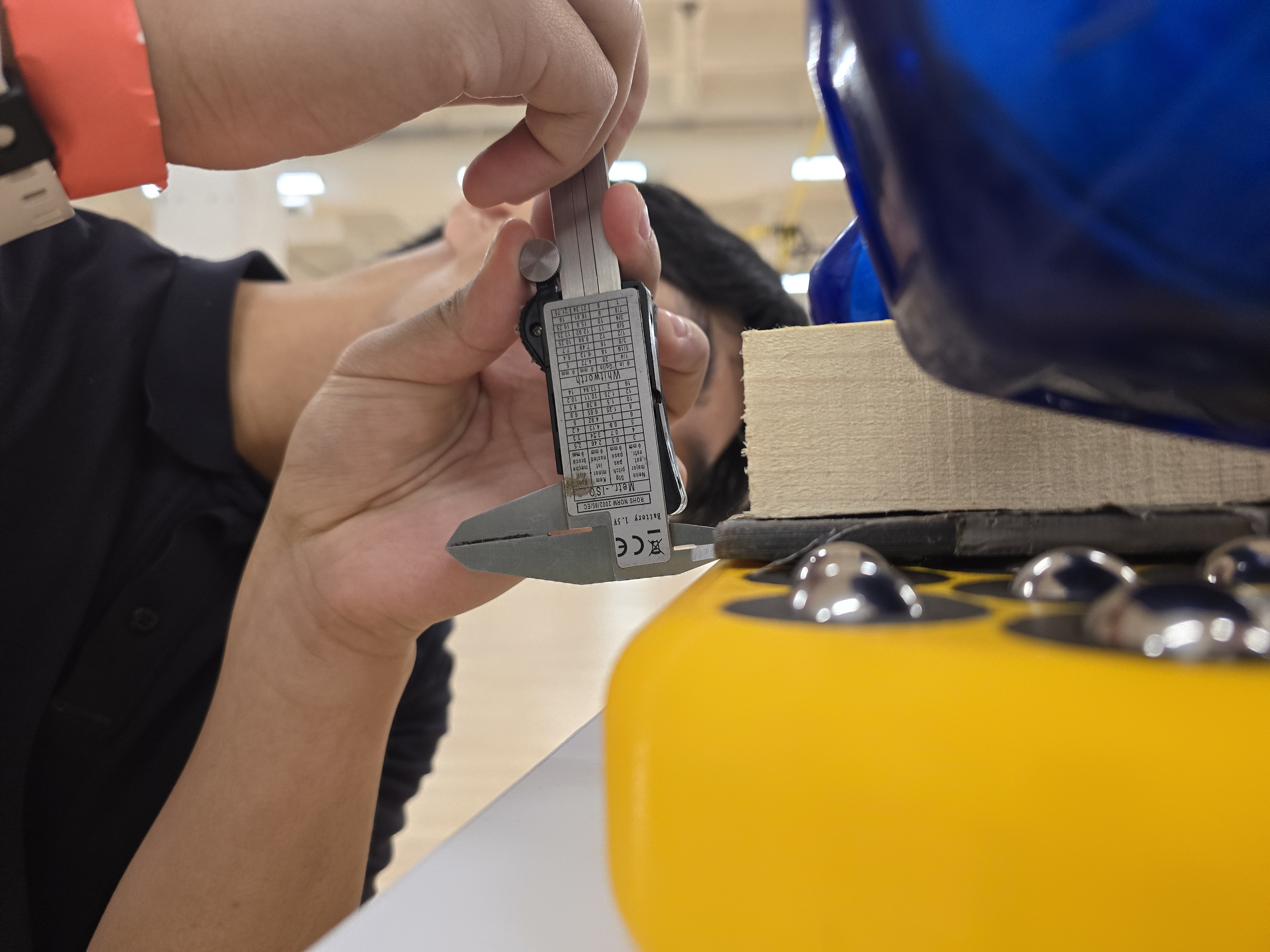
- Manufactured and iterated several functional prototypes based on stakeholder feedback and performance evaluations.
Role
Mechanical Engineer
Tools
SolidWorks
Technical Documentation & Gallery
.jpg)
.jpg)
.jpg)